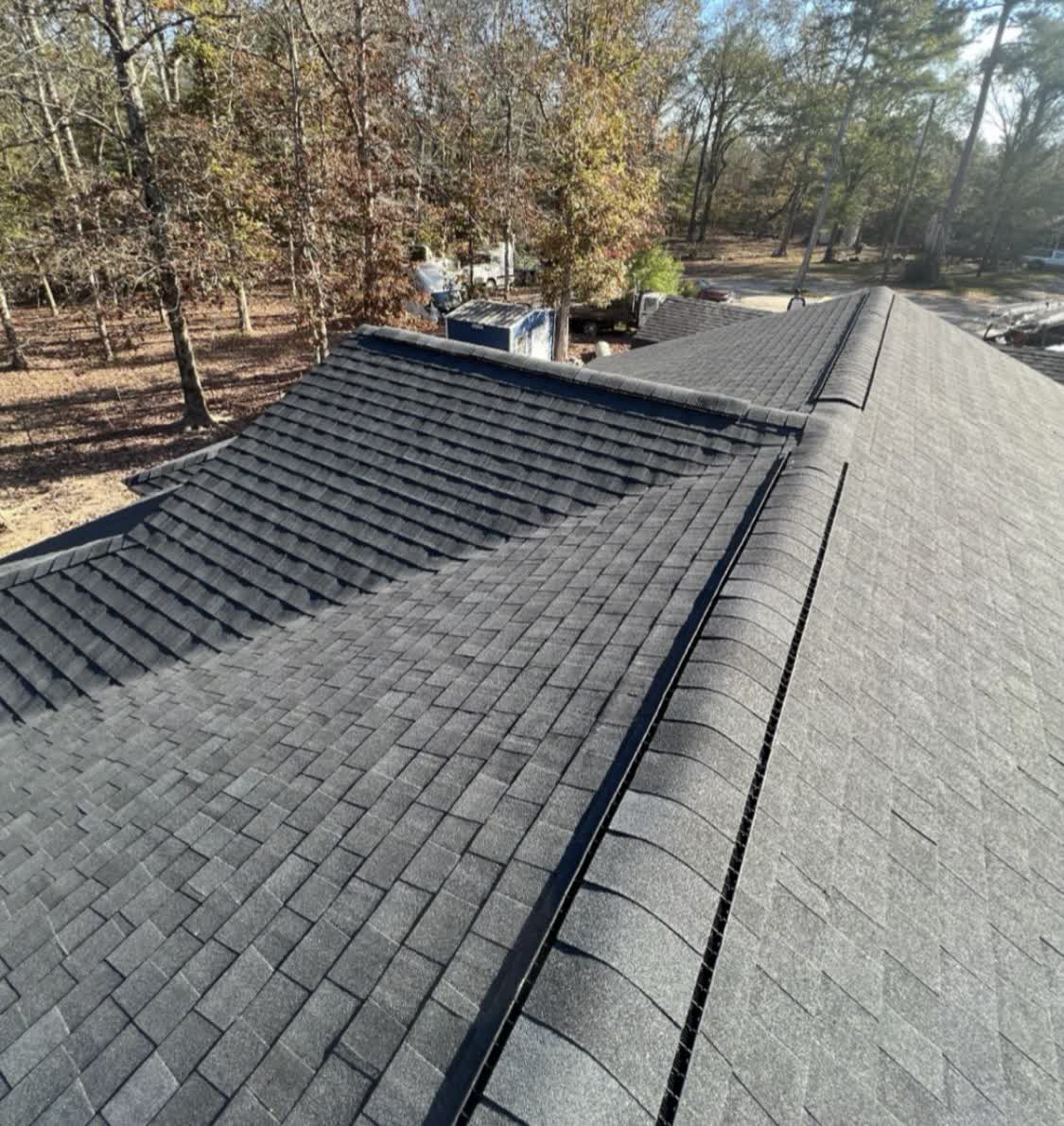
Walk down most streets in Florence, Pearl, or Brandon and you will see both. The flat, uniform look of 3-tab shingles on homes roofed 20 or more years ago, and the thicker, shadowed look of architectural shingles on nearly everything roofed since. The shift was not just about style. Here is what actually changed, and when each one is the right choice.
What they are
The Asphalt Roofing Manufacturers Association describes it simply. Strip shingles, usually called 3-tab, are a single layer of asphalt-coated mat cut with notches so that each strip looks like three separate tabs once installed. Laminated shingles, usually called architectural or dimensional, bond two or more layers together to create extra thickness and a varied, shadowed surface.
That extra layer is the whole story. It makes the shingle heavier, thicker, stronger against wind and impact, and longer-lived. Everything else follows from it.
Wind resistance
This is the difference that matters most in Central Mississippi, where spring storms bring straight-line winds every year. Shingle wind ratings come from two test standards. ASTM D3161 rates shingles by fan-driven wind, with Class F at 110 mph. ASTM D7158 rates sealed shingles by uplift resistance, with Class H at 150 mph as the highest rating available.
Most architectural shingles on the market carry a Class H rating. Many 3-tab shingles carry Class F, and some carry a lower rating still. The rating only holds when the shingles are nailed to the manufacturer's spec, with the right number of nails in the right zone, and when the seal strip has had warm weather to bond. That is an installation issue, not a product one, and it is why we care about nail placement.
Lifespan
In our climate, 3-tab shingles typically last 15 to 20 years. Architectural shingles typically last 25 to 30, and longer with good attic ventilation. The heat, humidity, and hail that shorten every roof here take a bigger share from the thinner shingle. Our roof lifespan guide explains what drives those ranges.
Hail
Hail bruises shingles and knocks off the granules that protect the asphalt from sun. IBHS research found that shingles exposed to small hail and ordinary weathering aged faster and became up to ten times more vulnerable to the next large hail. A thicker shingle has more material to absorb an impact, and architectural lines are also where you find impact-resistant options. Shingles that pass UL 2218 at Class 4, the top class, are available in most architectural product lines and rarely in 3-tab. Some insurers offer premium discounts for Class 4 roofs. Ask your agent before you choose.
Warranty
Most 3-tab shingles carry a 20- to 30-year limited warranty. Most architectural shingles carry a limited lifetime warranty. Both cover manufacturing defects, not wear or storm damage, and both prorate after an initial period. The practical difference is that the manufacturer is betting on the architectural shingle lasting longer, and the warranty terms reflect that. Our shingle roofing installs are backed by the manufacturer's warranty and our own workmanship warranty.
Looks
3-tab gives a flat, uniform surface with a visible grid of tabs. Architectural shingles are cut in random widths and layered, which creates shadow lines and depth that reads more like wood shake or slate from the street. Colors are broader too, from weathered wood tones to charcoal and slate blends. In subdivisions where roofs are expected to match, architectural is now the default.
Cost
Architectural shingles cost more per square than 3-tab, but the shingle itself is only one line in a roof replacement. Tear-off, underlayment, flashing, ventilation, and labor are the same either way and make up most of the total. On a full replacement, the upgrade is a modest share of the job and buys a longer life and a stronger wind rating. Our post on what drives roof replacement cost breaks out the rest.
When 3-tab still makes sense
We still install 3-tab in a few situations:
- Repairs to an existing 3-tab roof. Matching the existing shingle is more important than upgrading a section.
- Outbuildings and sheds where lifespan and wind rating matter less.
- Rental or resale situations where the owner needs the roof to be sound for a set number of years and has a firm budget.
Even then, we will lay out the trade-off honestly. On a home you plan to live in, the extra years and the wind rating almost always justify the difference.
What matters more than the shingle
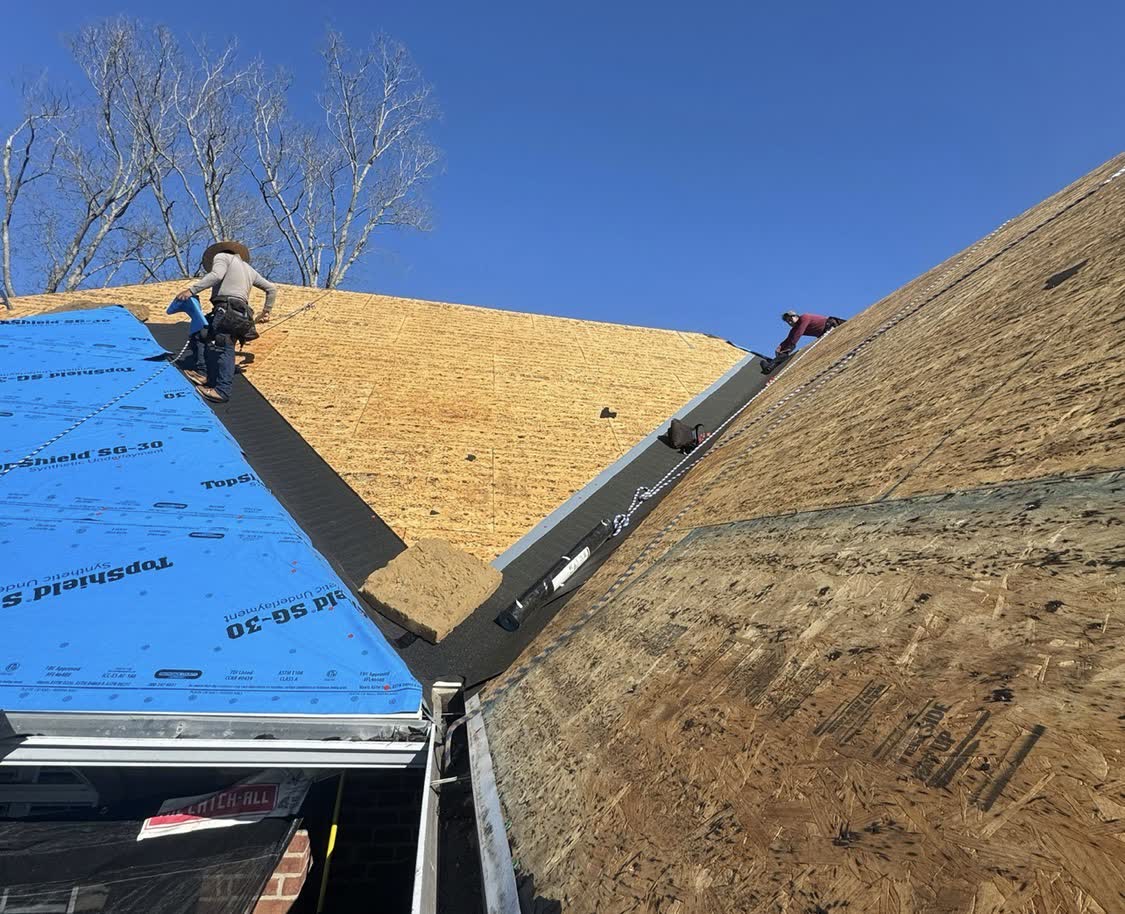
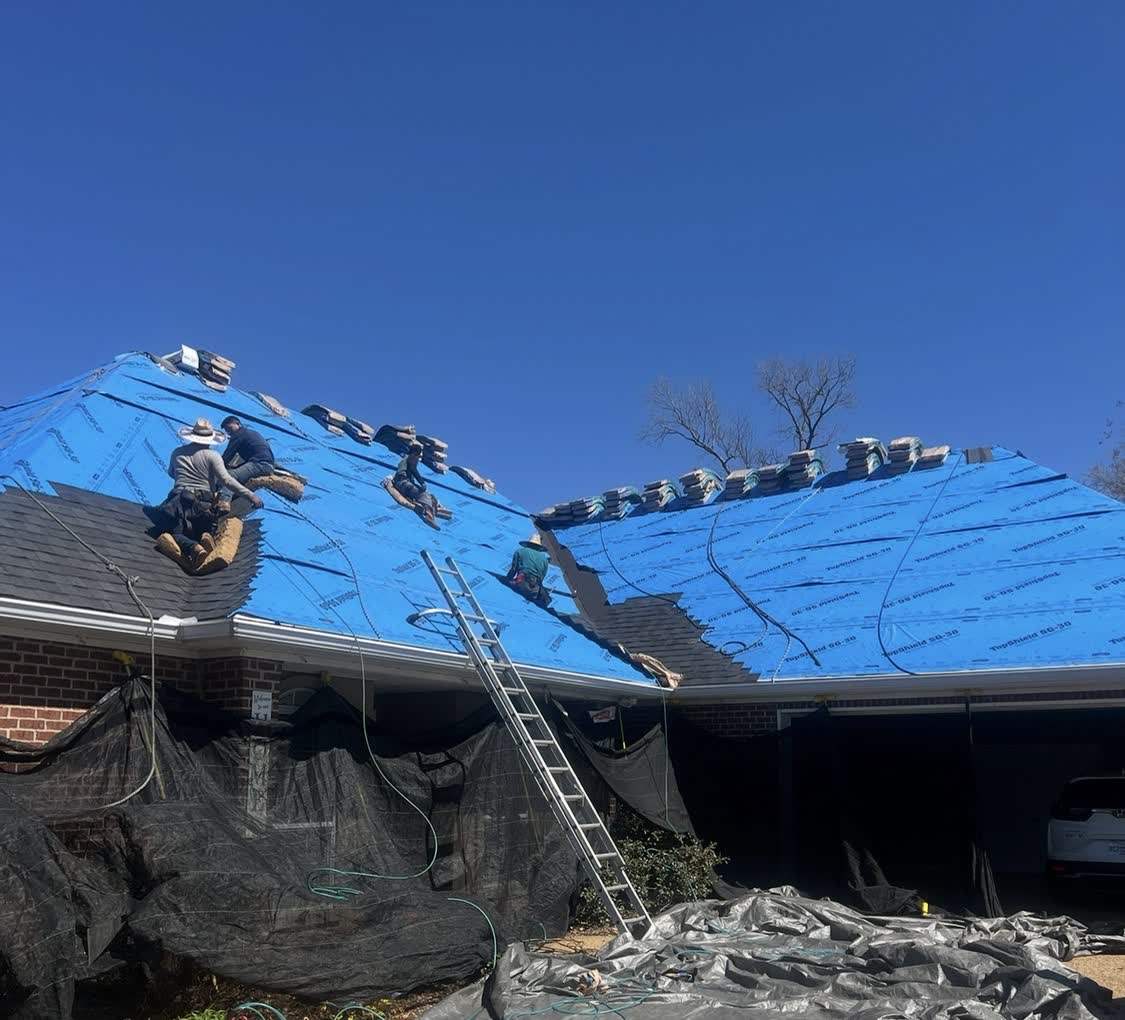
A premium architectural shingle over reused flashing, no ice-and-water barrier, and a sealed attic is still a roof that will fail early. The system under and around the shingle decides most of its life. Every replacement we do includes new synthetic underlayment, ice-and-water barrier in the valleys, new flashing and pipe boots, new drip edge, and a ventilation check. See where most leaks start and attic ventilation in a humid climate for why.
If you are weighing a replacement, our inspection and itemized quote are free, and we will price both options so you can see the actual difference for your roof.