Ask a shingle manufacturer how long a roof lasts and you will hear a warranty number. Ask a roofer who has torn off hundreds of roofs in Rankin and Hinds County and you will get a different answer. The gap between the two is Mississippi weather.
This guide gives you the realistic ranges we see across Florence, Brandon, Pearl, Flowood, Richland, and Jackson, what shortens a roof's life here, and the handful of things that reliably add years.
The short answer
For homes in Central Mississippi, here is what we see most often when a roof is installed correctly and left alone by hail:
- 3-tab asphalt shingles: about 15 to 20 years.
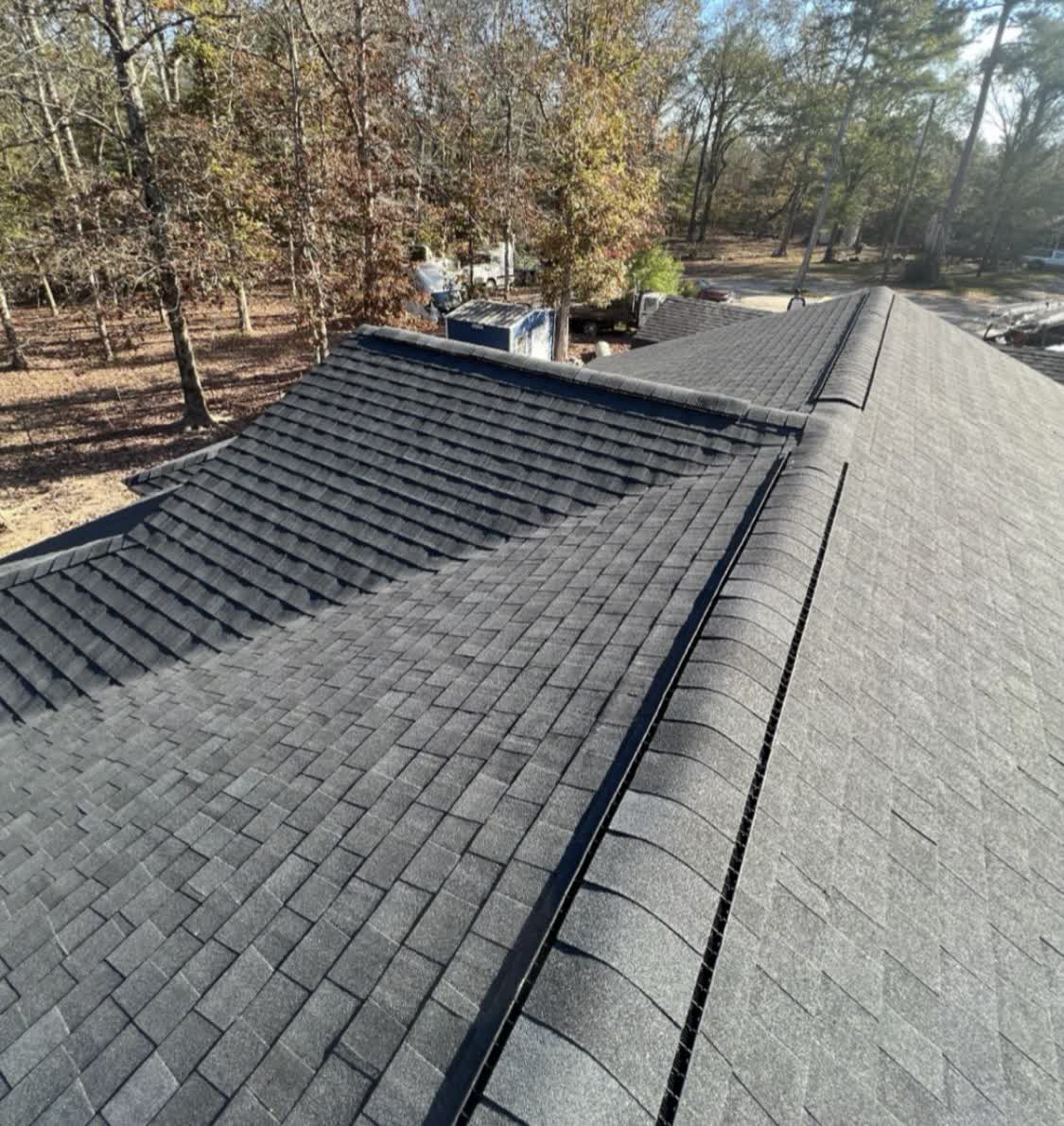
- Architectural (laminated) asphalt shingles: about 25 to 30 years, sometimes longer with good ventilation.
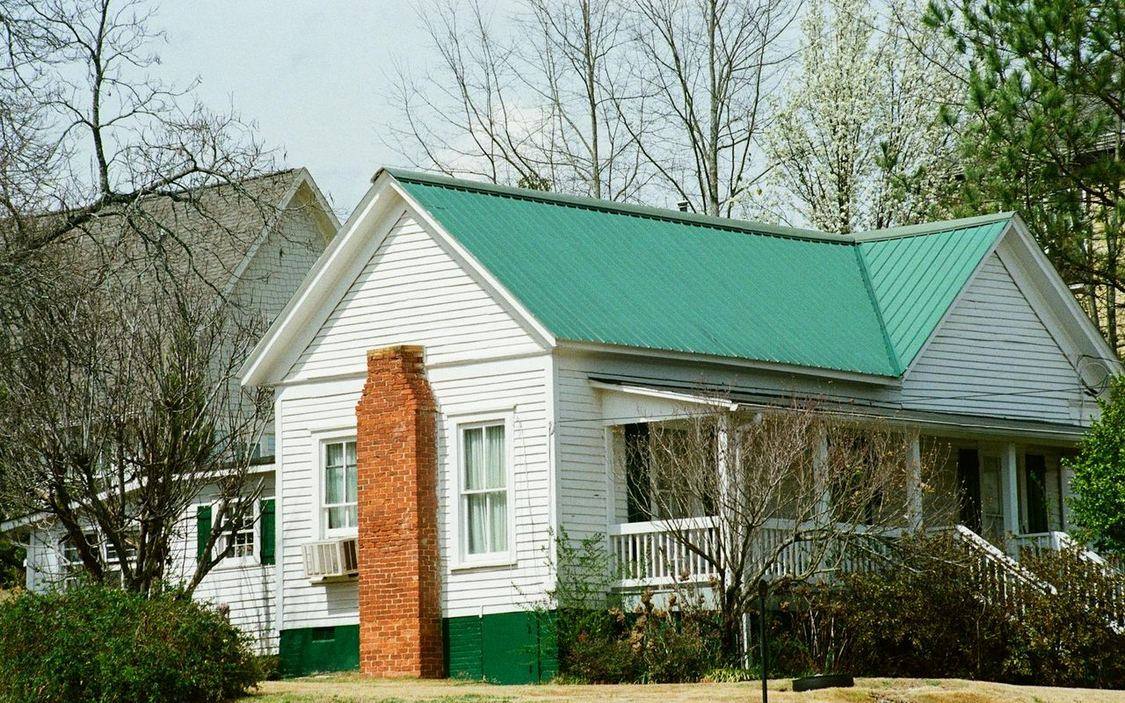
- Metal roofing: 40 to 70 years depending on the panel, coating, and installation. State Farm cites the same range.
Those numbers are shorter than what you will read on national sites written for milder climates, and that is on purpose. A roof in Florence works harder than a roof in Ohio.
Why roofs age faster in Central Mississippi
Heat and sun
Summer highs in the Jackson area sit in the low 90s for weeks at a time, and a dark shingle surface runs far hotter than the air. That heat cooks the asphalt in the shingle, drives out the oils that keep it flexible, and speeds up granule loss. Ultraviolet light does the same job from the top down. A shingle that has lost its granules has lost its sunscreen, and it ages quickly from there.
Humidity and rain
Mississippi averages about 56 inches of rain a year on the 1991 to 2020 normals, according to the NOAA state climate summary. That is roughly 20 inches more than the national average. Constant moisture feeds algae and moss, keeps valleys and north-facing slopes damp, and finds every weak seal around a pipe boot or chimney. Wood decking that stays wet does not last, no matter how good the shingle on top of it is.
Wind and hail
Spring storm season brings straight-line wind and hail every year. Big hail is obvious. Small hail is the quiet problem. Research from the Insurance Institute for Business and Home Safety found that shingles exposed to natural weathering plus two small-hail events, with stones under an inch, became up to ten times more susceptible to damage from later large hail than new shingles. In other words, a roof that has taken a few minor hits over the years may not survive the next real storm.
Trees
Overhanging limbs drop debris that holds moisture against the shingles, scrape the surface in wind, and can punch through the roof outright in a storm. Shaded roofs also dry out slower after rain, which is why the side of the house under the oaks usually wears first.
What actually adds years to a roof
Attic ventilation
This one is the most overlooked. A hot, sealed attic bakes the shingles from underneath while the sun bakes them from above. The residential building code calls for a net free vent area of 1/150 of the attic floor, with a 1/300 exception under specific conditions, and most shingle manufacturers tie their warranty to proper ventilation. Balanced intake at the soffits and exhaust at the ridge lets that heat out. We check ventilation on every replacement because it is one of the cheapest ways to protect the rest of the investment. Read more in our guide to attic ventilation in a humid climate.
Installation quality
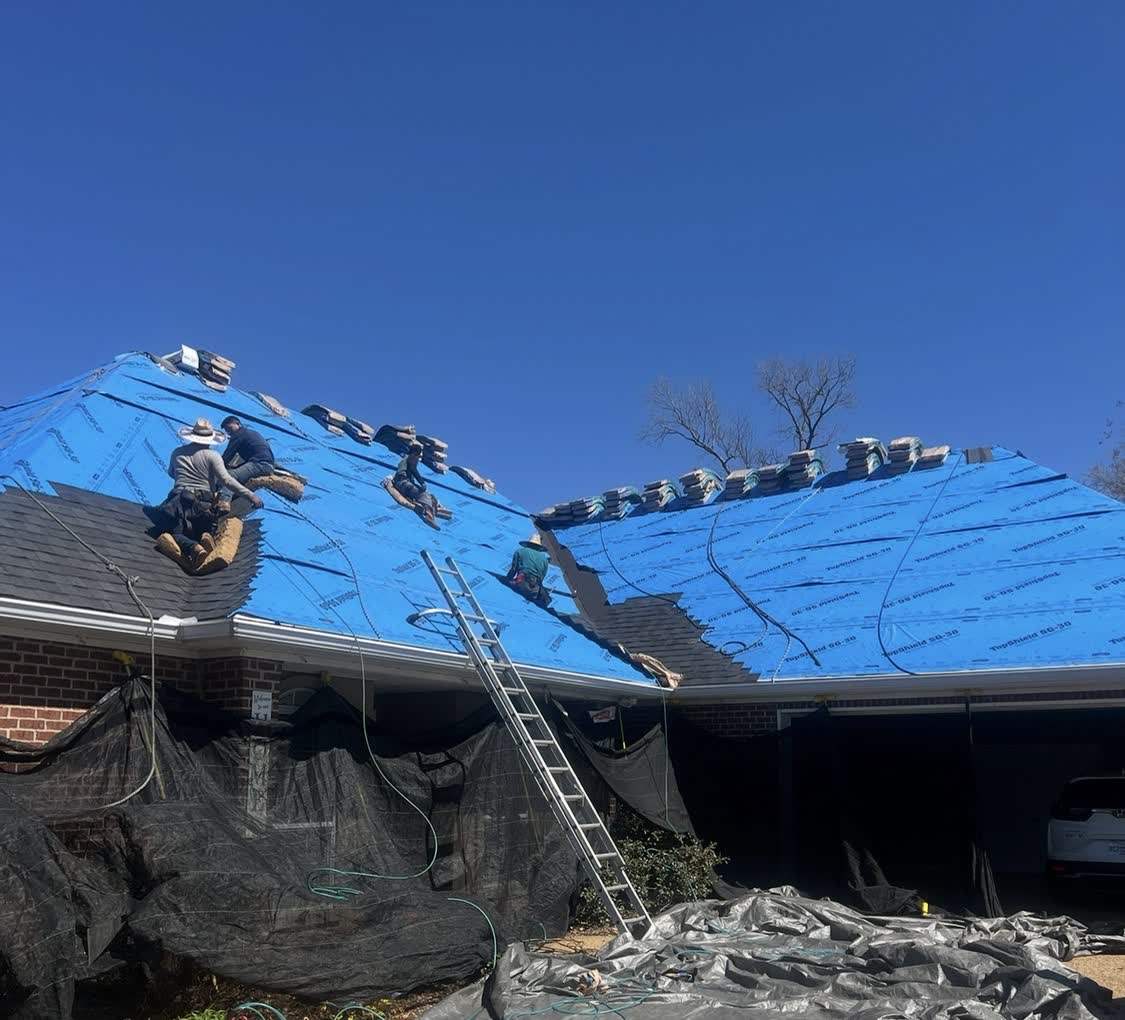
Nail placement, nail count, starter strips, ice-and-water barrier in the valleys, and correct flashing at every wall and chimney decide how a roof handles its first big wind event. Shingles rated for high wind only reach that rating when they are nailed to spec. A cheap install with a premium shingle is still a cheap roof.
The right shingle for the job
Architectural shingles are thicker, heavier, and carry higher wind ratings than 3-tab. In a climate with our storms, that difference shows up in the lifespan. If you are weighing the two, see architectural vs. 3-tab shingles.
Regular inspections
Most roofs do not fail all at once. They fail at a cracked pipe boot, a lifted piece of step flashing, or a section of shingles that lost their seal in a windstorm. Those are small repairs when they are caught early and expensive ones when they are found by a ceiling stain. A yearly look, plus one after any major storm, is the habit that gets a roof to the far end of its range. Our roof inspections are free.
How to estimate how much life your roof has left
You can learn a lot from the ground and the attic without climbing up:
- Look at the gutters. A layer of coarse grit in the gutter or at the bottom of the downspout is shingle granules. Heavy loss means the surface is wearing out.
- Look at the shingle edges. Curling corners, cupping, and cracked tabs mean the asphalt has dried out.
- Look for bald or shiny spots. Dark patches where the granules are gone are the shingle's asphalt showing through.
- Check the attic on a bright day. Daylight through the decking, dark water stains on the rafters, or a musty smell all point to water getting in.
- Check the ceilings. Brown rings and soft drywall are late signs. By then the decking has usually been wet for a while.
If your roof is past 20 years and showing two or more of those signs, the Asphalt Roofing Manufacturers Association would call it a prime candidate for reroofing, and so would we. If it is 12 years old with one lifted shingle, that is a repair, not a replacement.
Repair, or replace?
Our rule of thumb is simple. If the damage is isolated and the roof is under about 15 years old, a targeted repair usually makes sense. If wear is widespread or the roof is near the end of its range, chasing repairs costs more over time than a replacement done on your schedule. Either way, the honest answer starts with someone actually walking the roof, which is what a free inspection is for.